By David Parks · eXp Realty · The Apollo Group · 2 min read
A price cut lowers what the buyer borrows, while a rate buydown lowers the buyer’s interest rate and monthly payment. For the same seller dollars, a buydown can sometimes have a bigger effect on the payment a buyer sees in the first years.

HousingWire Data reported that about 43 percent of sellers have cut their price, the highest share in four years. Redfin reported that in September there were 63 percent more sellers than buyers. With more homes to choose from, buyers expect a deal.
A buydown is money paid at closing to lower the buyer’s mortgage rate. A temporary buydown, such as a 2-1, lowers the rate for the first couple of years. A permanent buydown uses discount points. One point costs one percent of the loan and generally lowers the rate by about a quarter of a percent, according to FICO.
Most buyers shop by monthly payment. Depending on the loan, the same concession dollars can lower the payment more through a buydown than through a small price reduction. A buydown can also help a listing stand out.
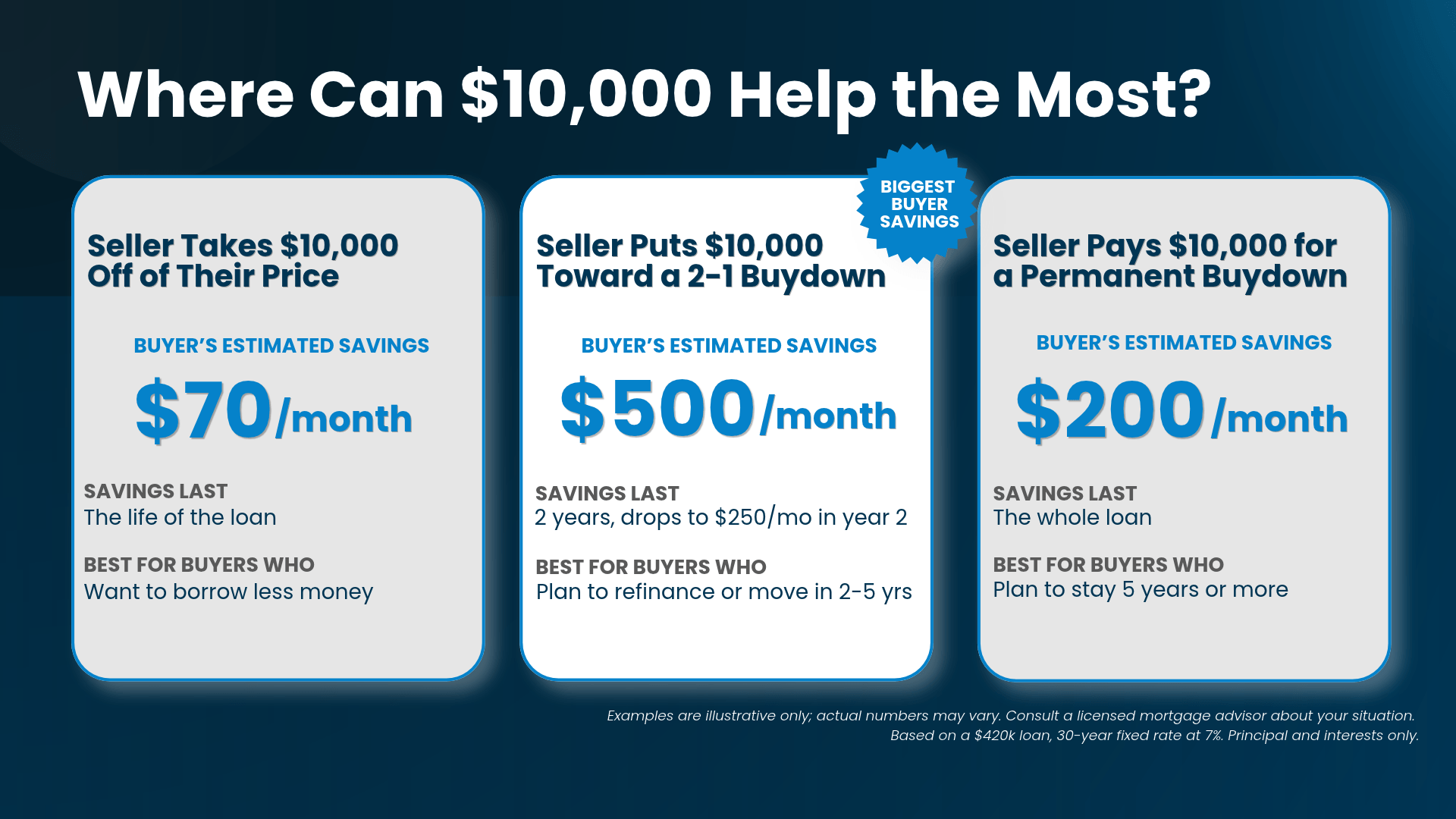
Before you list, ask your agent to run scenarios comparing a price change with a buydown, using your net proceeds. A lender can model the effect on a buyer’s payment.
Figures from HousingWire Data, Redfin, and FICO as reported in November 2026. These are national numbers.
This article is general information, not legal, tax, financial or inspection advice. Every home and situation is different, so confirm details with a licensed inspector, lender, attorney or tax professional.

David is a Greater Denver real estate advisor with eXp Realty and The Apollo Group (Colorado broker license FA100103211). He has closed more than $55 million in volume, earned eXp Icon status in 2025, and holds a 5.0 rating on Zillow from 27 verified reviews.
Denver market updates, new listings, and local tips — no spam, unsubscribe anytime.