By David Parks · eXp Realty · The Apollo Group · 2 min read
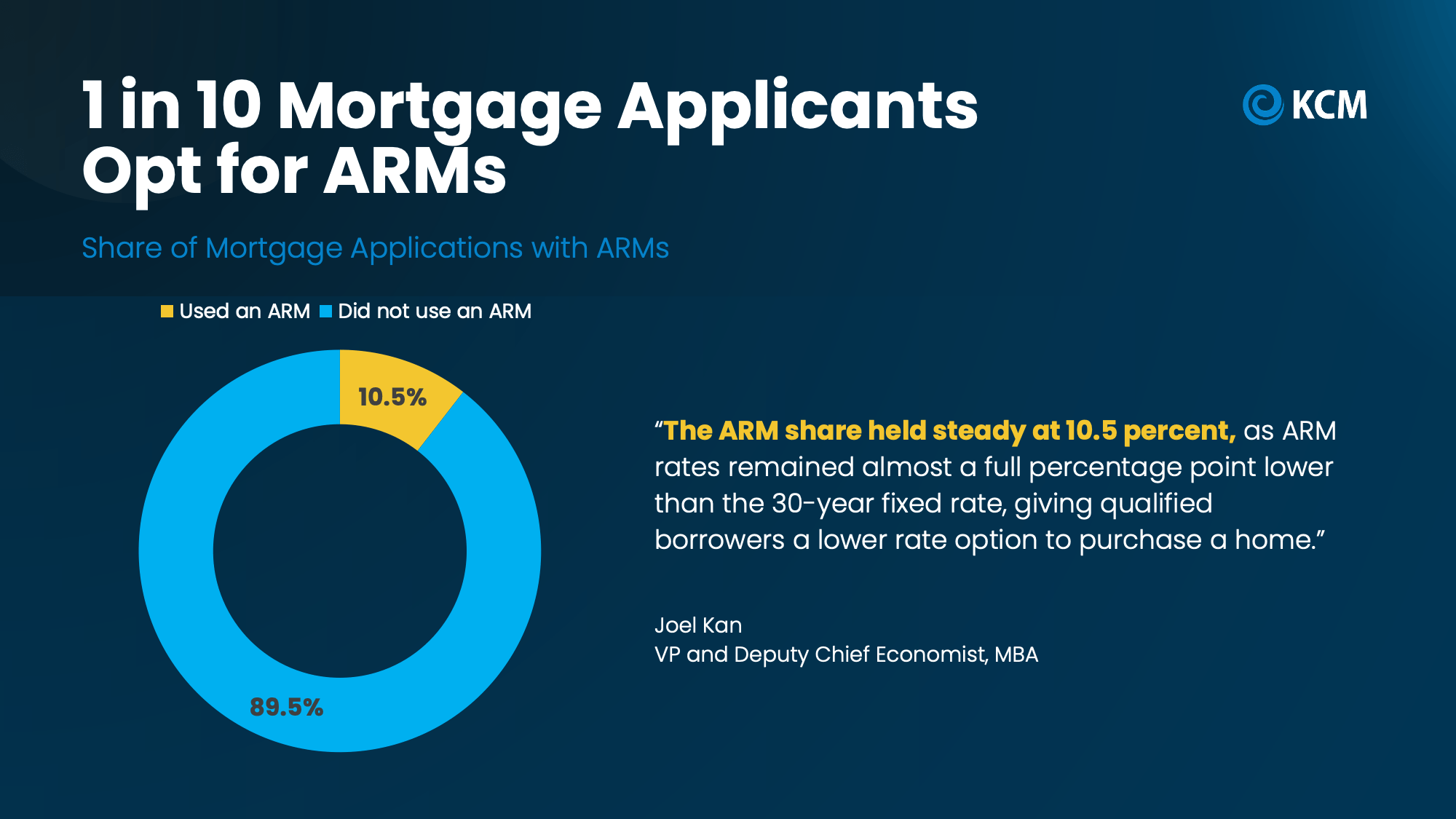
When rates are high, some buyers choose an adjustable-rate mortgage (ARM) for a lower starting rate. About one in ten mortgage applications recently was for an ARM, according to the Mortgage Bankers Association.

Bankrate found ARM rates in September were more than a full percentage point lower than fixed rates, which can mean roughly $150 to $300 less per month on a median-priced home depending on the loan.
The rate is fixed for the first five years, then can adjust every year. Most ARMs have caps that limit how much the rate can rise each adjustment and over the life of the loan.
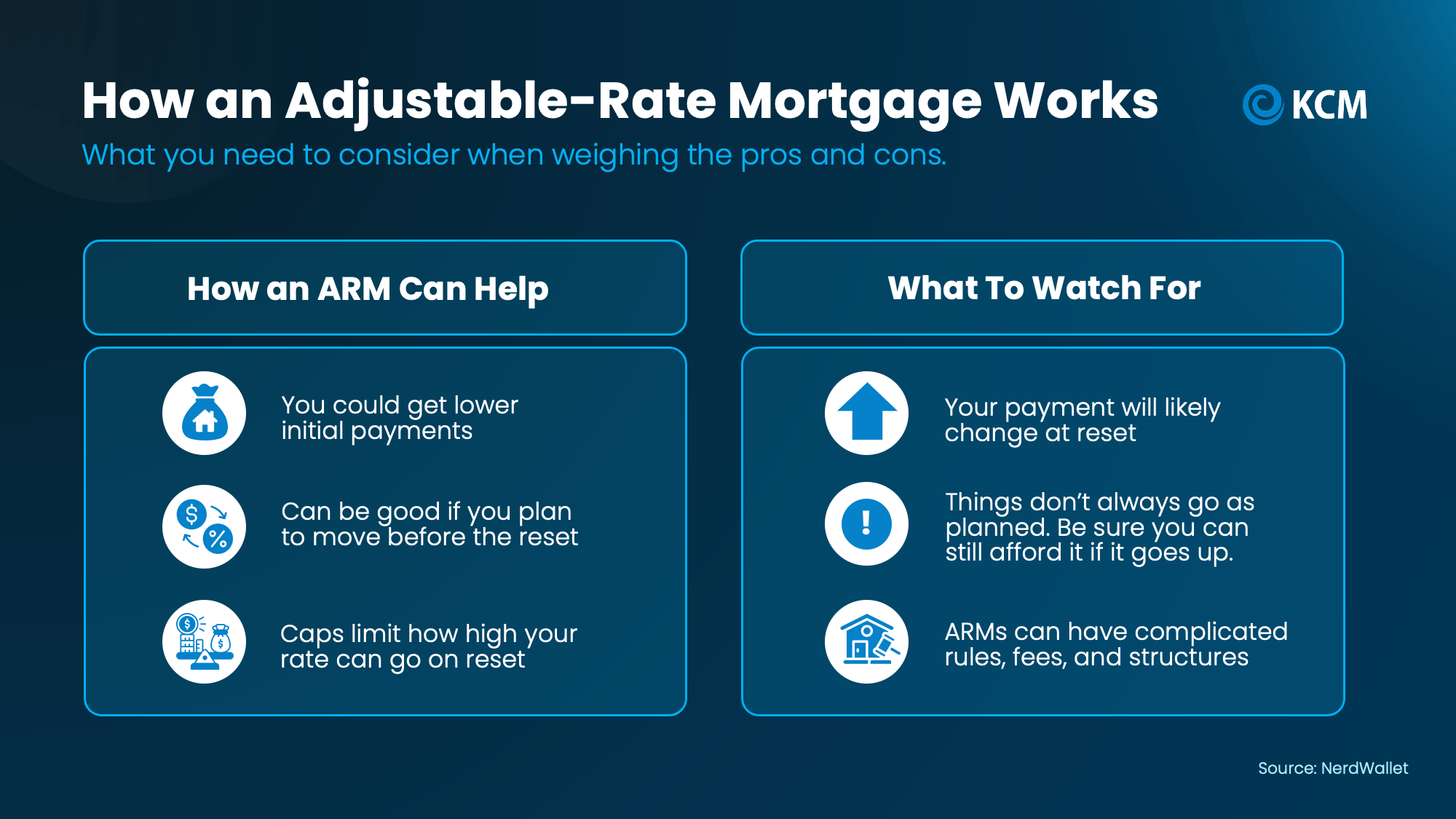
When the fixed period ends, you can keep the loan if the new payment fits, refinance into a fixed or another ARM, sell the home, or talk to your servicer about options. A refinance is a new loan you must qualify for, so keep your credit and finances in good shape.
Today’s Ability-to-Repay Rule requires lenders to verify income and assets, and to consider the payment after the reset, not just the starting payment.
An ARM can make sense if you expect to sell or refinance within the fixed period, but it carries risk if you cannot. Ask a lender to model several scenarios, including the highest possible payment. David’s mortgage background helps frame the right questions.
Bankrate and the MBA, as reported in October 2026. Rates and terms change often.
This article is general information, not legal, tax, financial or inspection advice. Every home and situation is different, so confirm details with a licensed inspector, lender, attorney or tax professional.

David is a Greater Denver real estate advisor with eXp Realty and The Apollo Group (Colorado broker license FA100103211). He has closed more than $55 million in volume, earned eXp Icon status in 2025, and holds a 5.0 rating on Zillow from 27 verified reviews.
Denver market updates, new listings, and local tips — no spam, unsubscribe anytime.