Foundation Inspections: Cracks, Settlement, and Colorado’s Expansive Soils
By David Parks · eXp Realty · The Apollo Group · 2 min read
The Short Answer
Foundation inspections look for cracks, movement, and water problems in the structure that supports the home. In Colorado, expansive clay soils make this a topic worth taking seriously.
Illustration by David Parks
What a foundation does
The foundation transfers the weight of the home to the ground. It can be poured concrete, concrete block, or stone, and may include a basement or crawl space.
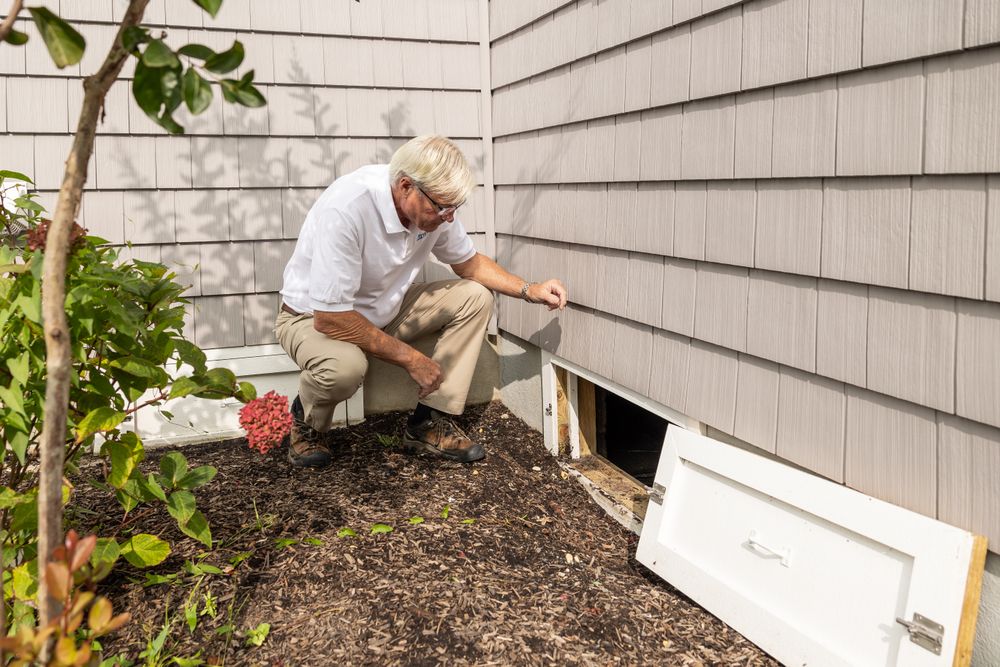
Stock photo: Pexels
Why Colorado is different
Parts of the Front Range have clay soils that swell when wet and shrink when dry. Over time that movement can shift slabs, walls, and floors, especially when drainage sends water toward the house.
Quick Poll
Have you ever dealt with a foundation crack or settling issue?
You are not alone. Get the findings in writing from a licensed professional, keep photos and receipts, and if you are buying, use the report as a negotiation point before your inspection deadline. Talk with David if you want a second opinion on what matters.
Good news, but this is exactly the kind of issue that can stay hidden until someone looks. Add it to your inspection checklist or ask your inspector about it before you buy or sell.
That is very common. The simplest way to know is to have it checked. Ask David which inspections are worth adding for the home you are considering. Talk with David.
Signs to watch for
Horizontal cracks or bowing in basement walls, which can indicate pressure from soil.
Stair-step cracks in brick or block.
Doors and windows that stick or won’t latch.
Sloping floors and gaps at trim or ceilings.
Water stains, efflorescence (white mineral deposits), or damp spots.
What to do
Hairline vertical shrinkage cracks are common and often minor. Wider, growing, or horizontal cracks deserve review from a structural engineer. Also check grading, gutters, and downspouts, since managing water is often the best protection for a foundation.
Key Takeaways
What a foundation does: The foundation transfers the weight of the home to the ground.
Why Colorado is different: Parts of the Front Range have clay soils that swell when wet and shrink when dry.
Signs to watch for: Horizontal cracks or bowing in basement walls, which can indicate pressure from soil.
What to do: Hairline vertical shrinkage cracks are common and often minor.
This article is general information, not legal, tax, financial or inspection advice. Every home and situation is different, so confirm details with a licensed inspector, lender, attorney or tax professional.
David is a Greater Denver real estate advisor with eXp Realty and The Apollo Group (Colorado broker license FA100103211). He has closed more than $55 million in volume, earned eXp Icon status in 2025, and holds a 5.0 rating on Zillow from 27 verified reviews.